What is Frost Protection?
Why frost protection is a system decision, not a product purchase
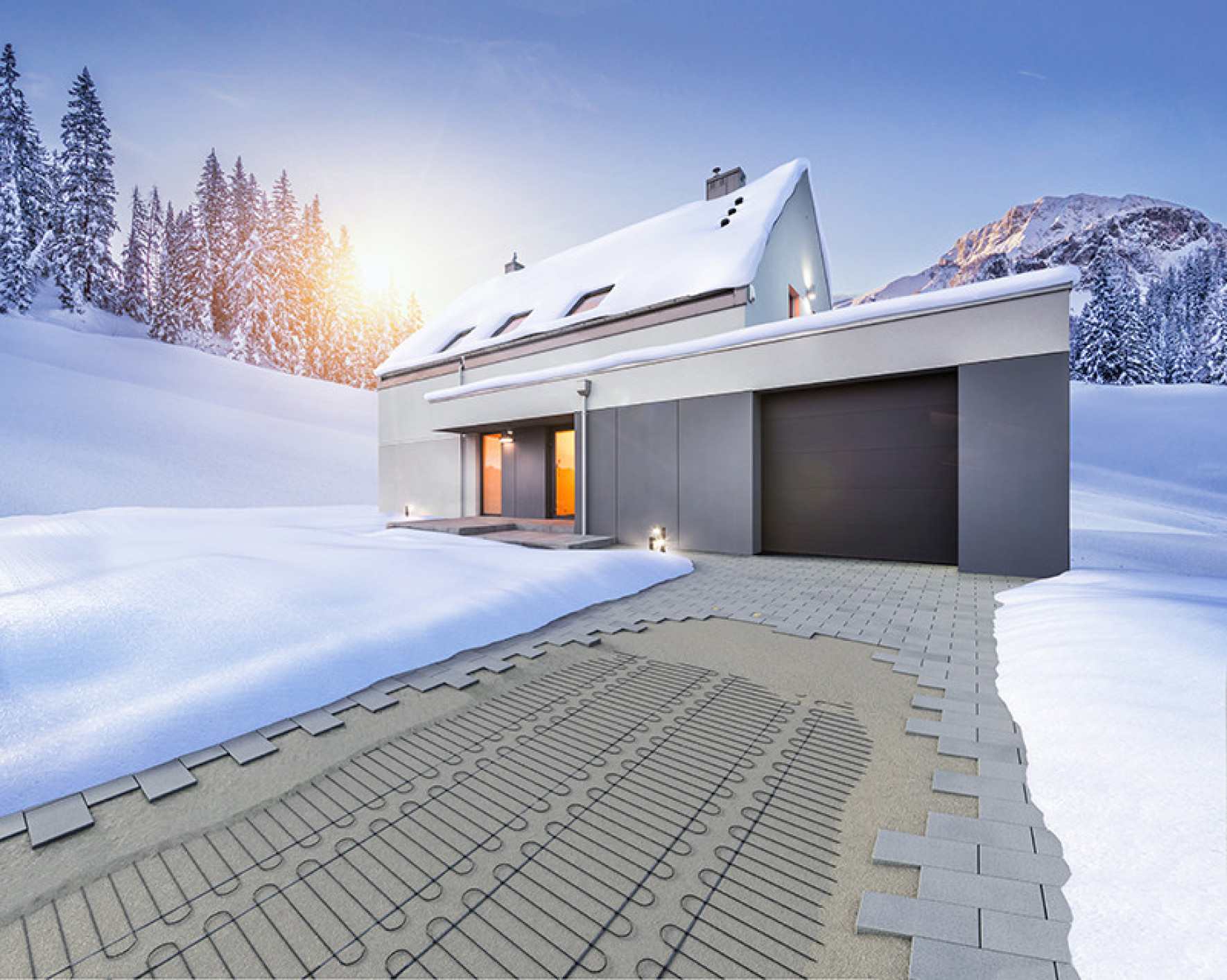
Frost protection in a commercial context is the engineered management of surface and pipe temperatures at or below freezing - to prevent structural damage, operational disruption, safety incidents, and liability exposure. Every application has different substrate conditions, heat loss characteristics, exposure profiles, and duty-of-care implications. These differences determine the technology, the power output, and the control strategy required.
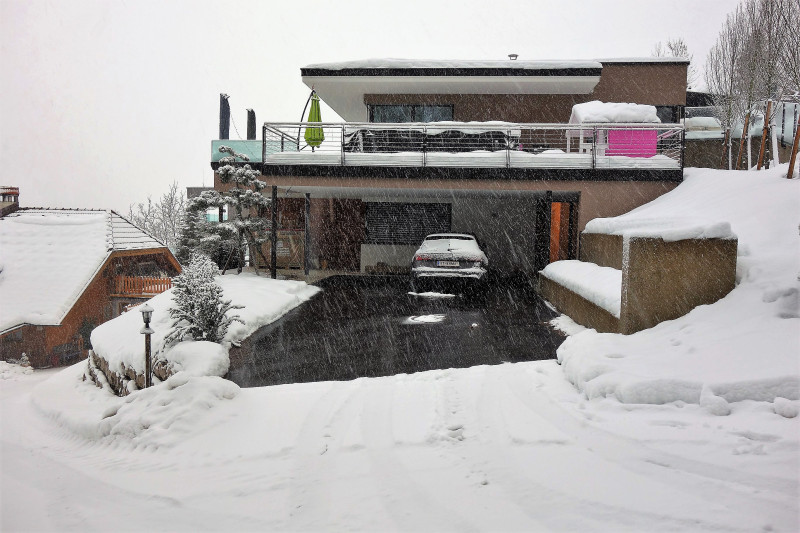
The risks that unprotected commercial buildings face in a UK winter are concrete and specific:
Water ingress, structural damage, and operational shutdown; compounded by extended closures (Christmas, annual shutdowns)
Occupiers' Liability Act 1984; HSE duty of care for employee access routes and commercial premises open to the public
Structural loading on flat and low-pitch roofs beyond design threshold; particularly acute on older structures
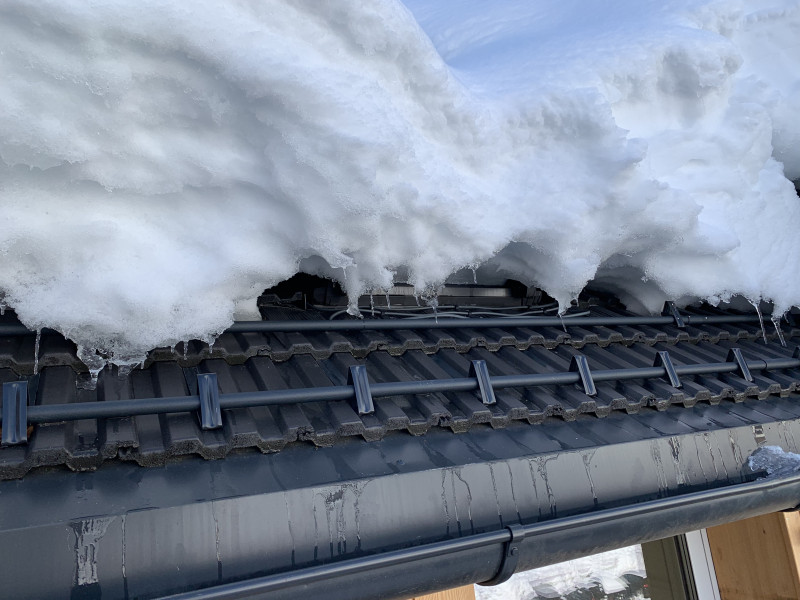
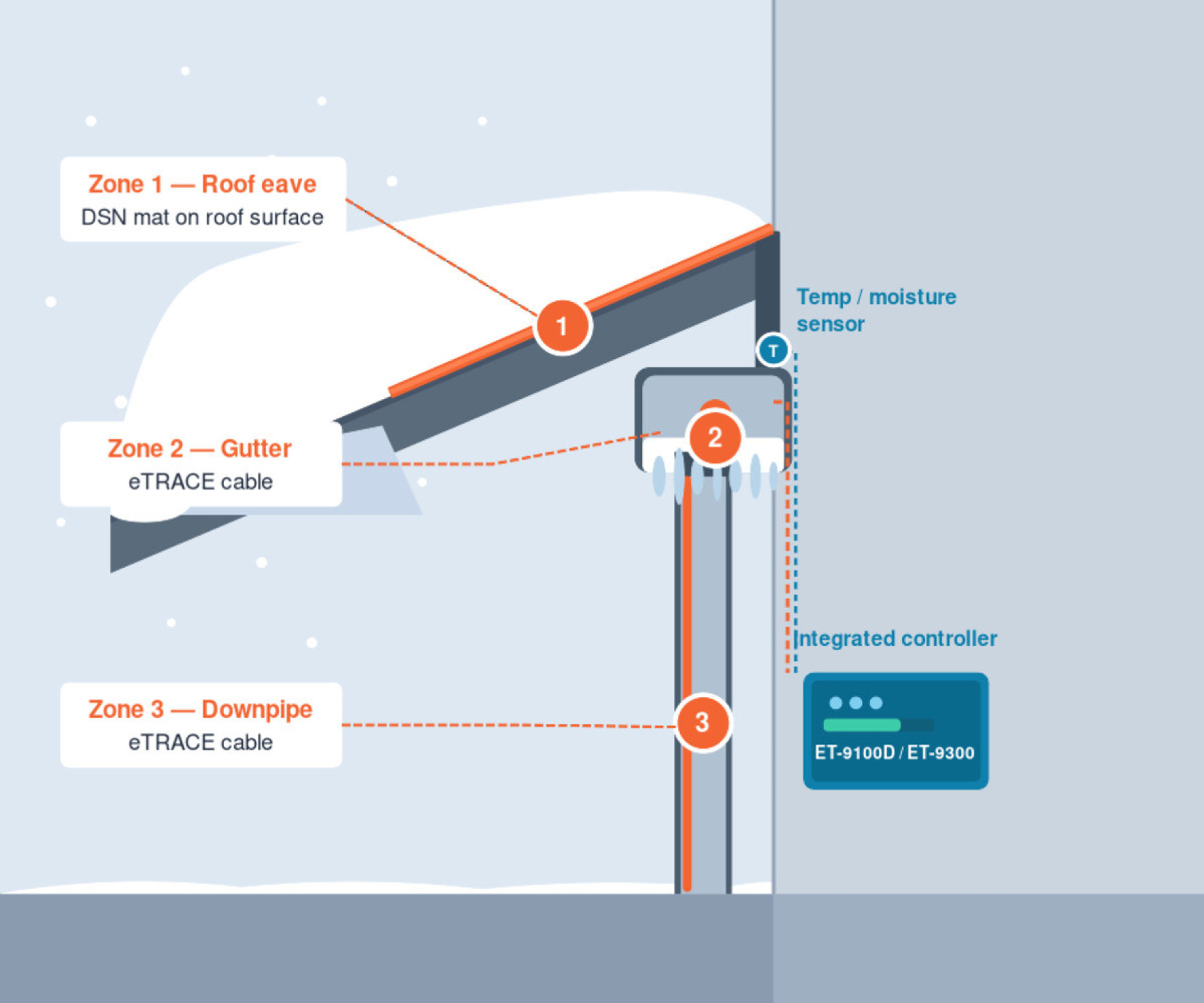
Overflow, gutter collapse under ice weight, and icicle formation creating public safety hazards below
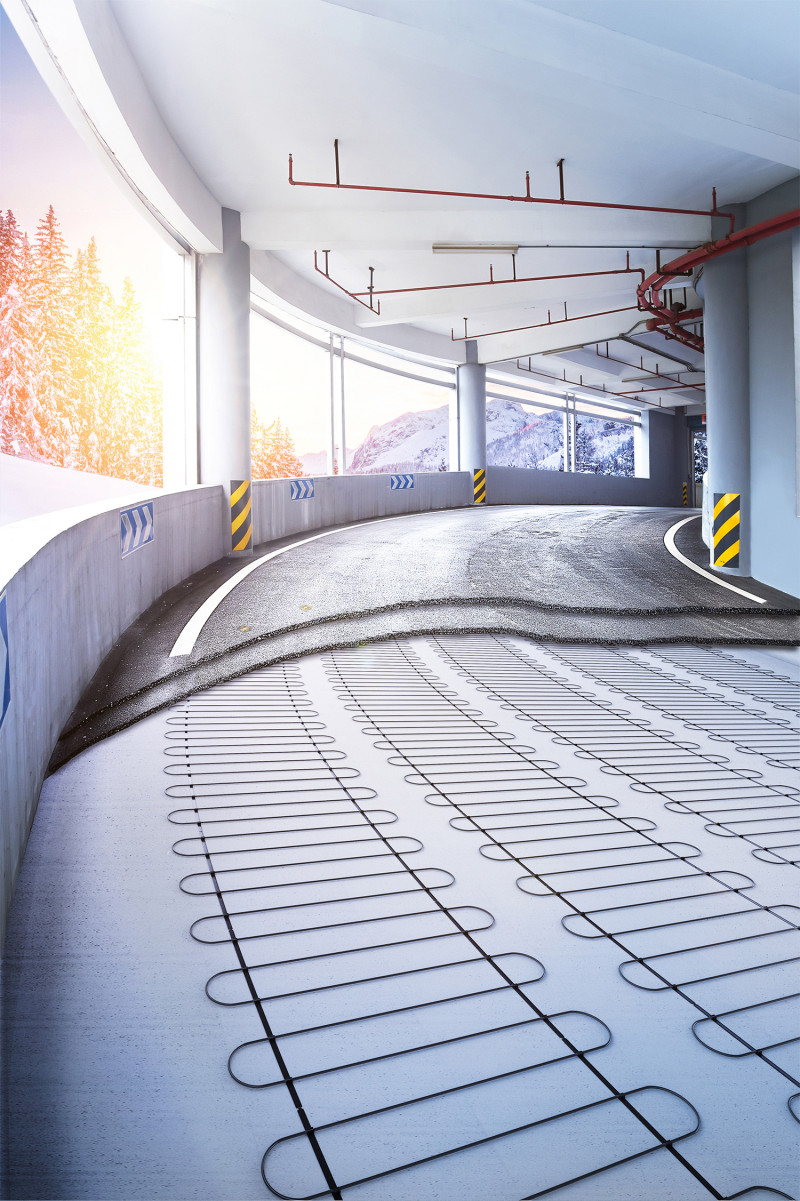
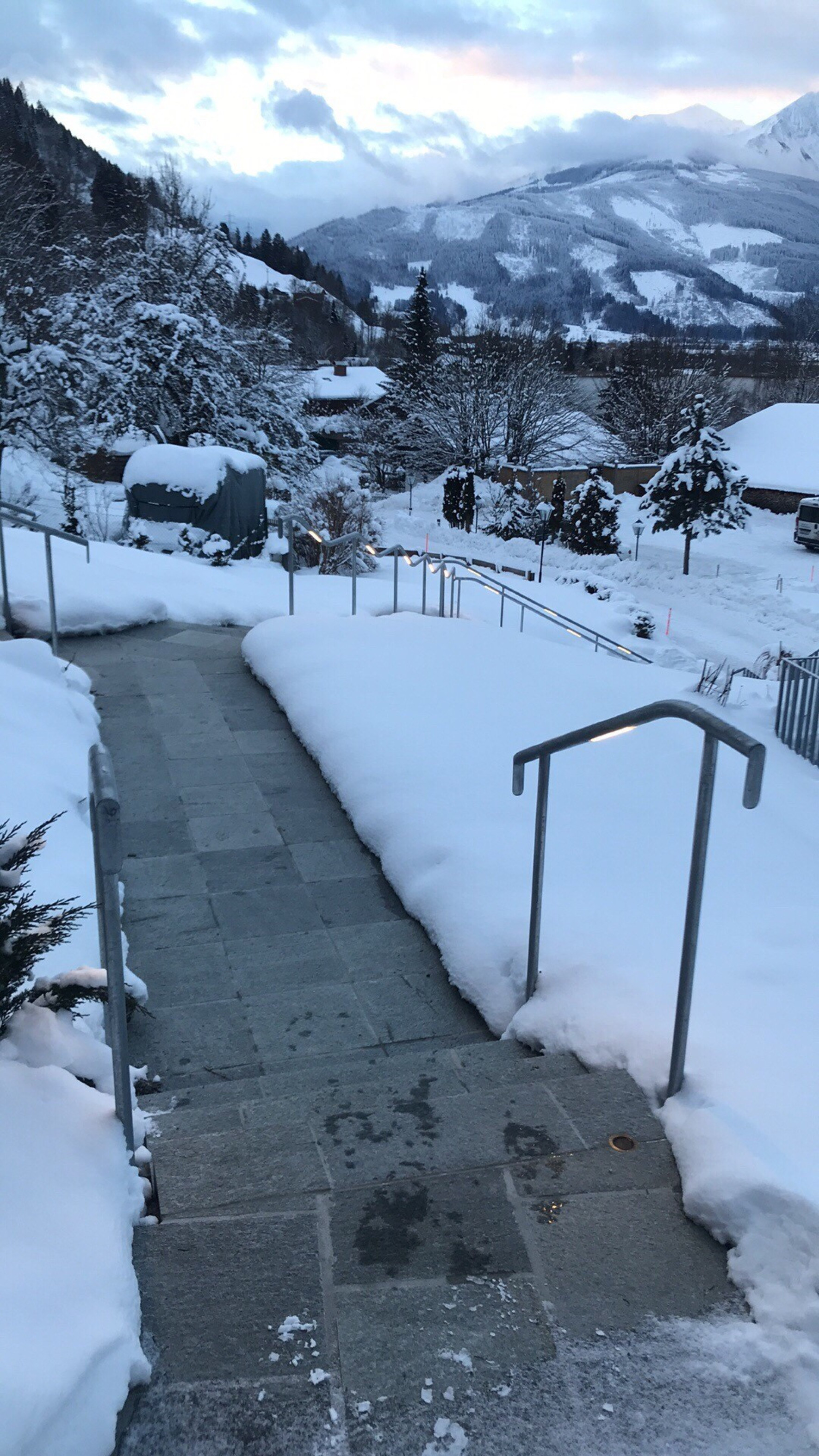
Iced inclined surfaces are an elevated liability risk due to geometry and confined space
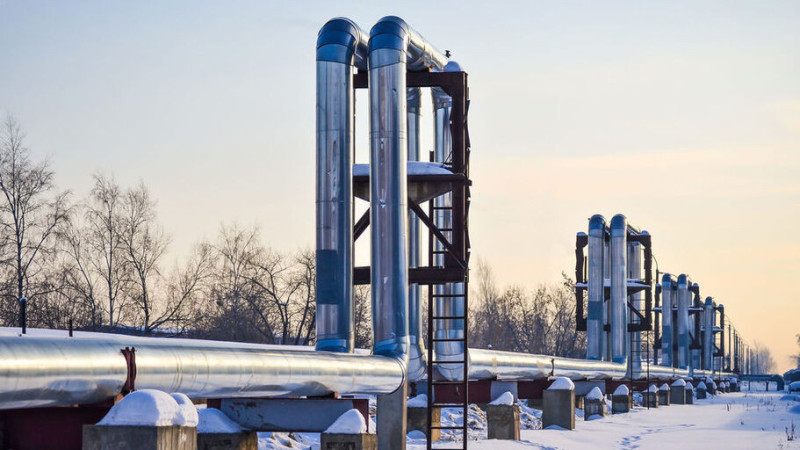
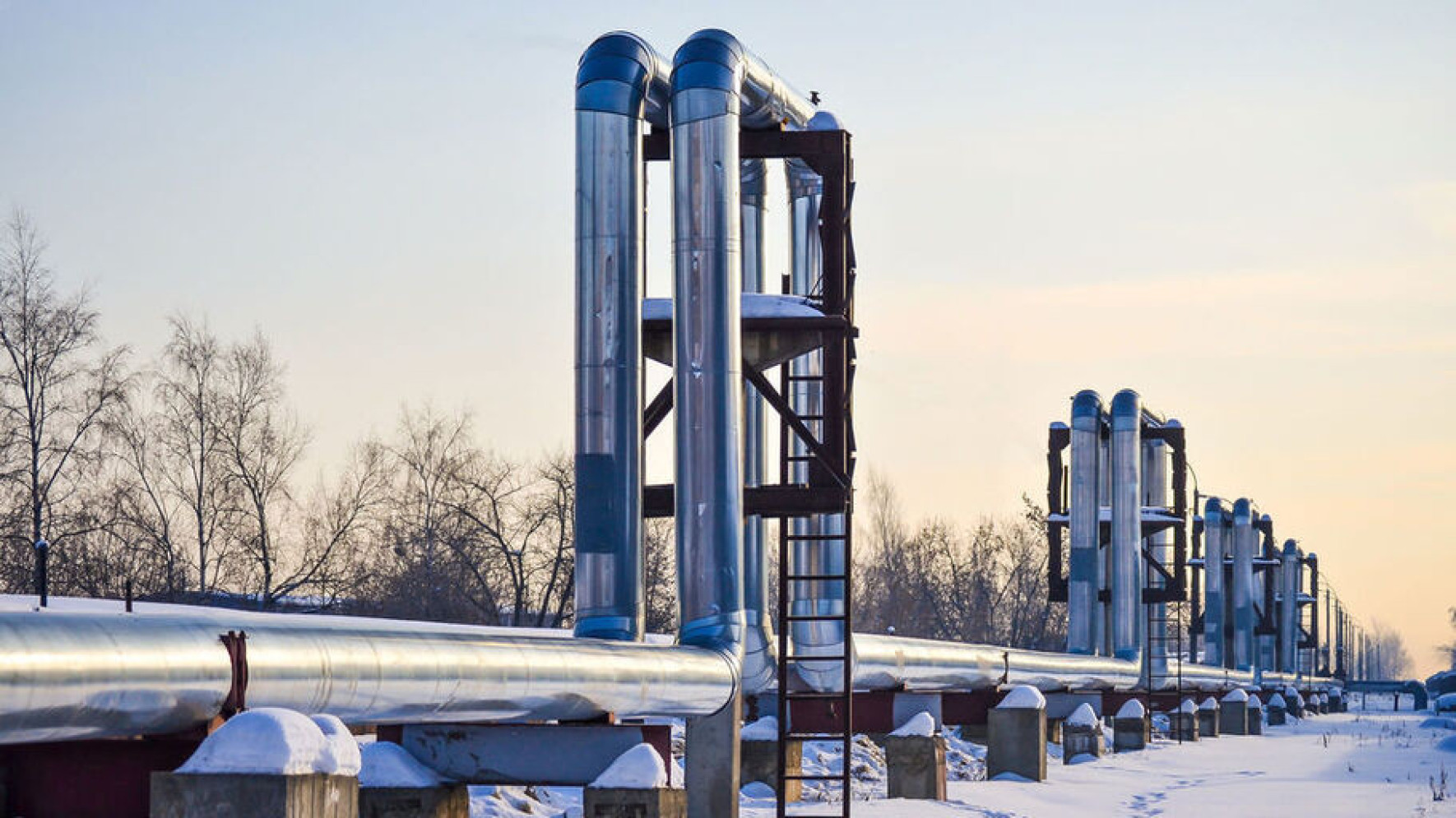
Hot water pipes that cool below 50°C enter the bacterial growth band (20– 45°C), a regulatory compliance obligation under HSG274
Each of these risks has a technically specific solution. Choosing the wrong product - or specifying nothing at all - carries a measurable commercial cost. ARC's role is to identify the correct system for your building and specify it correctly from the outset.