




Consent

This site uses third party services that need your consent. Learn more

Skip to content
EX
VAT
INC
VAT
Shop now
Account

Need help turning building information into a reliable heating design?

System Design and Specification

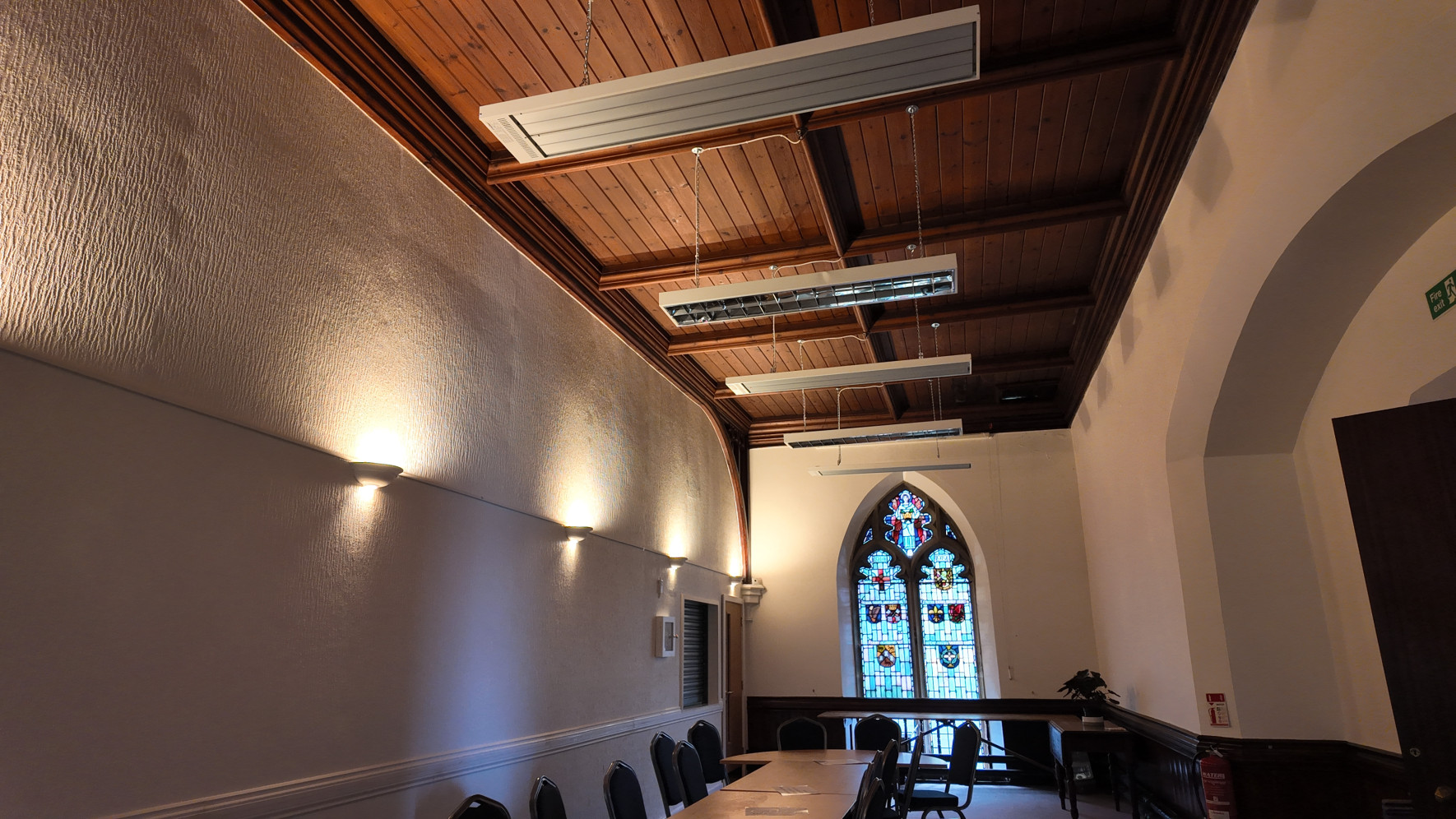
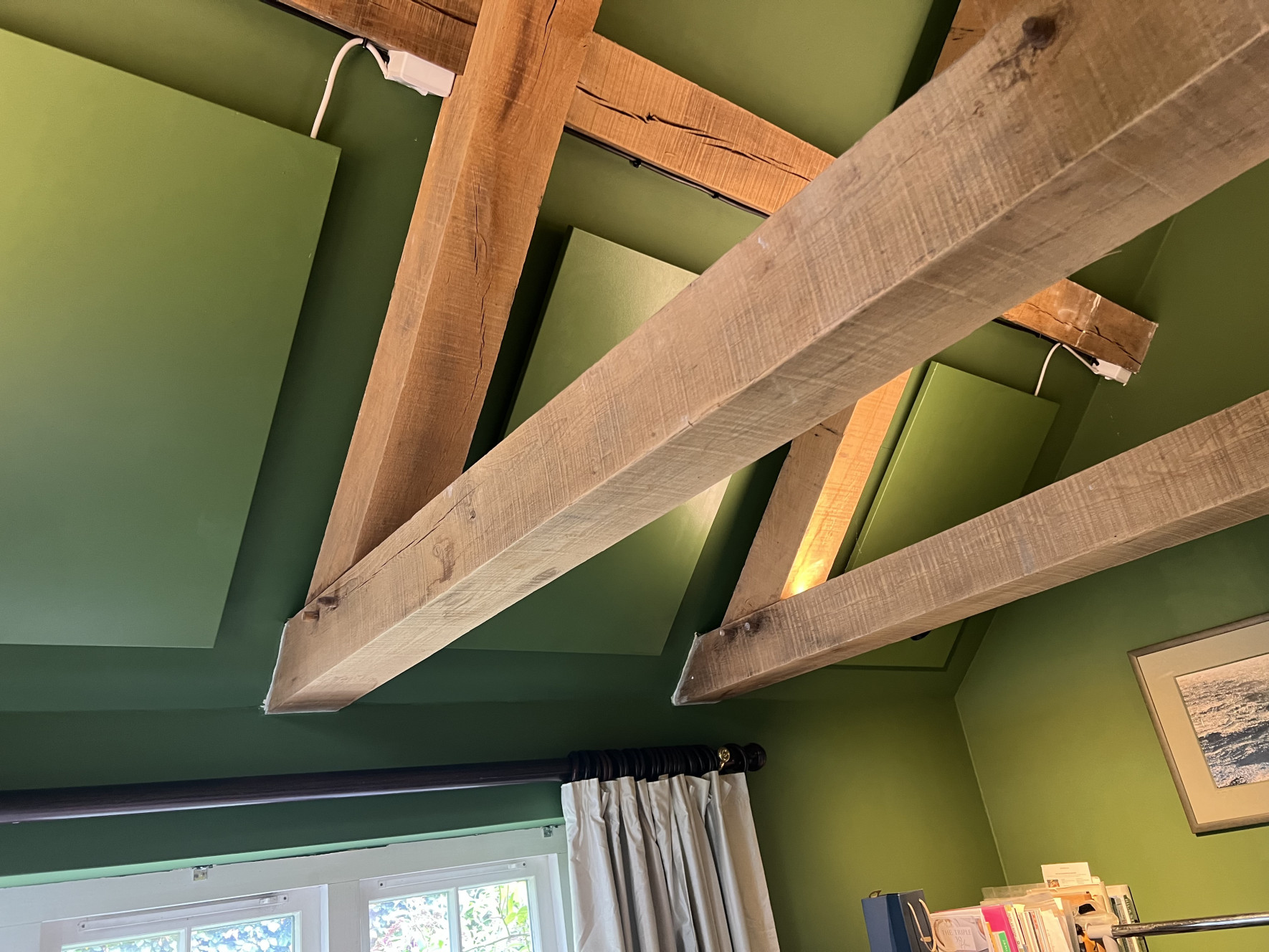
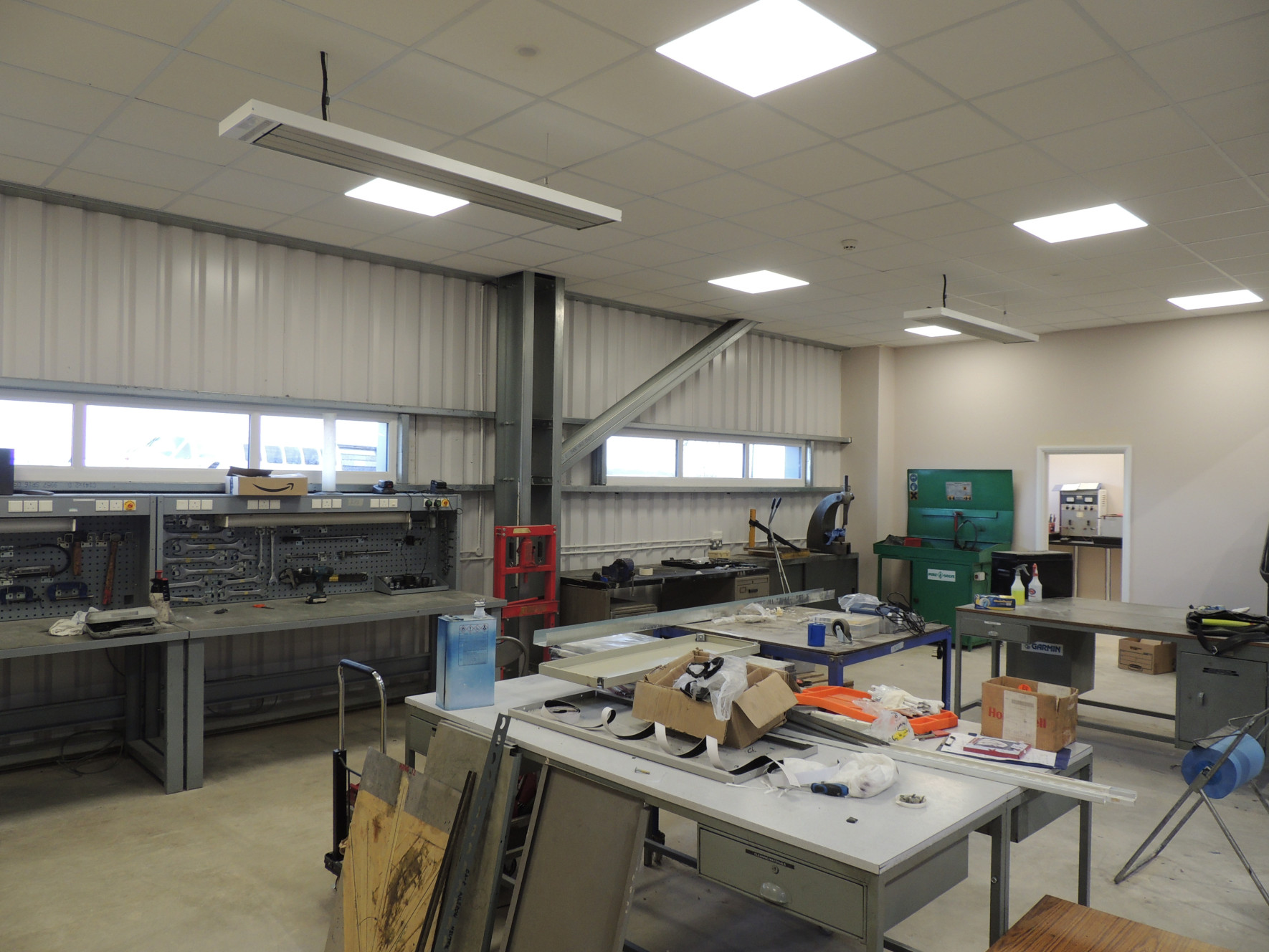
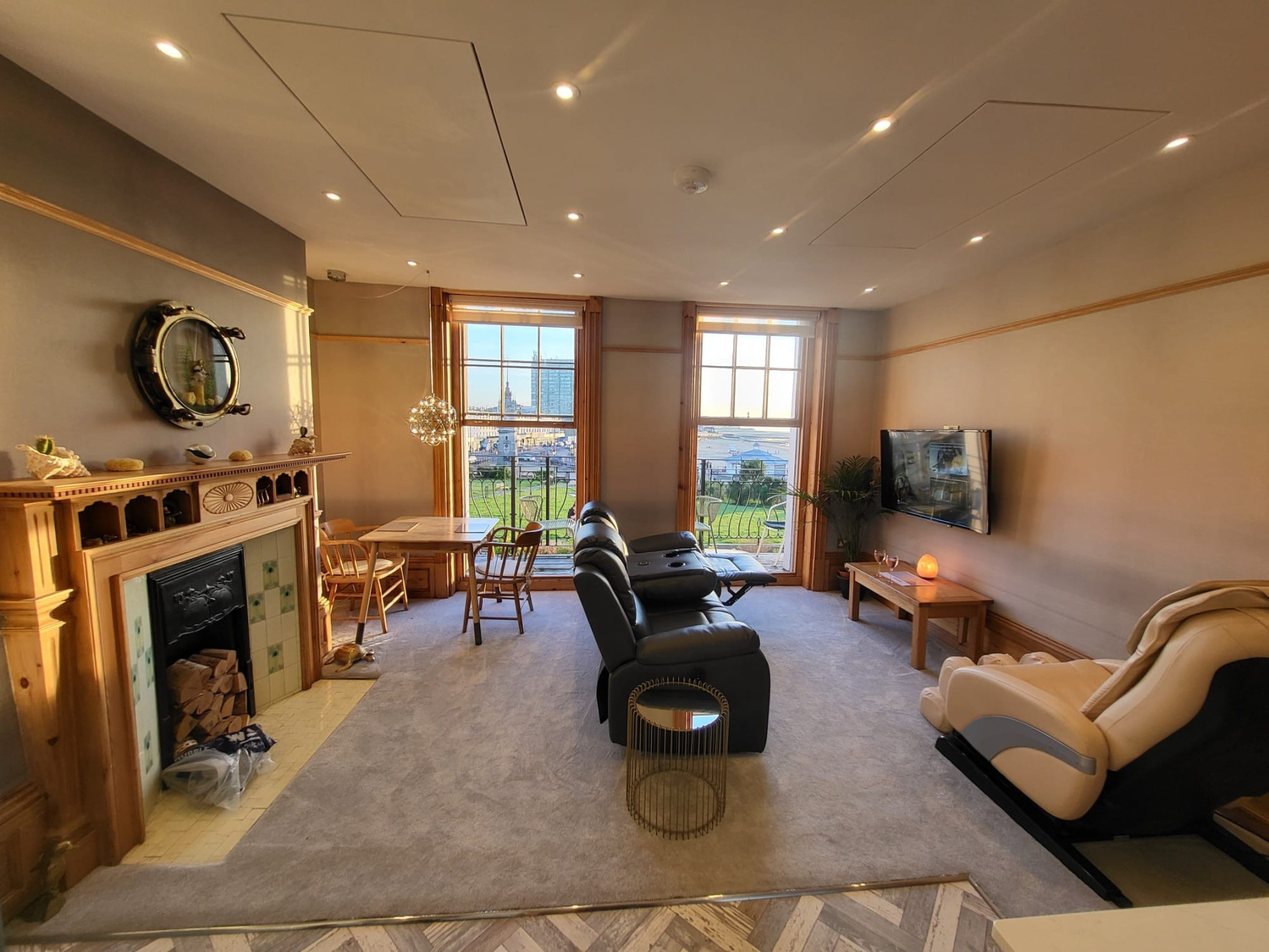
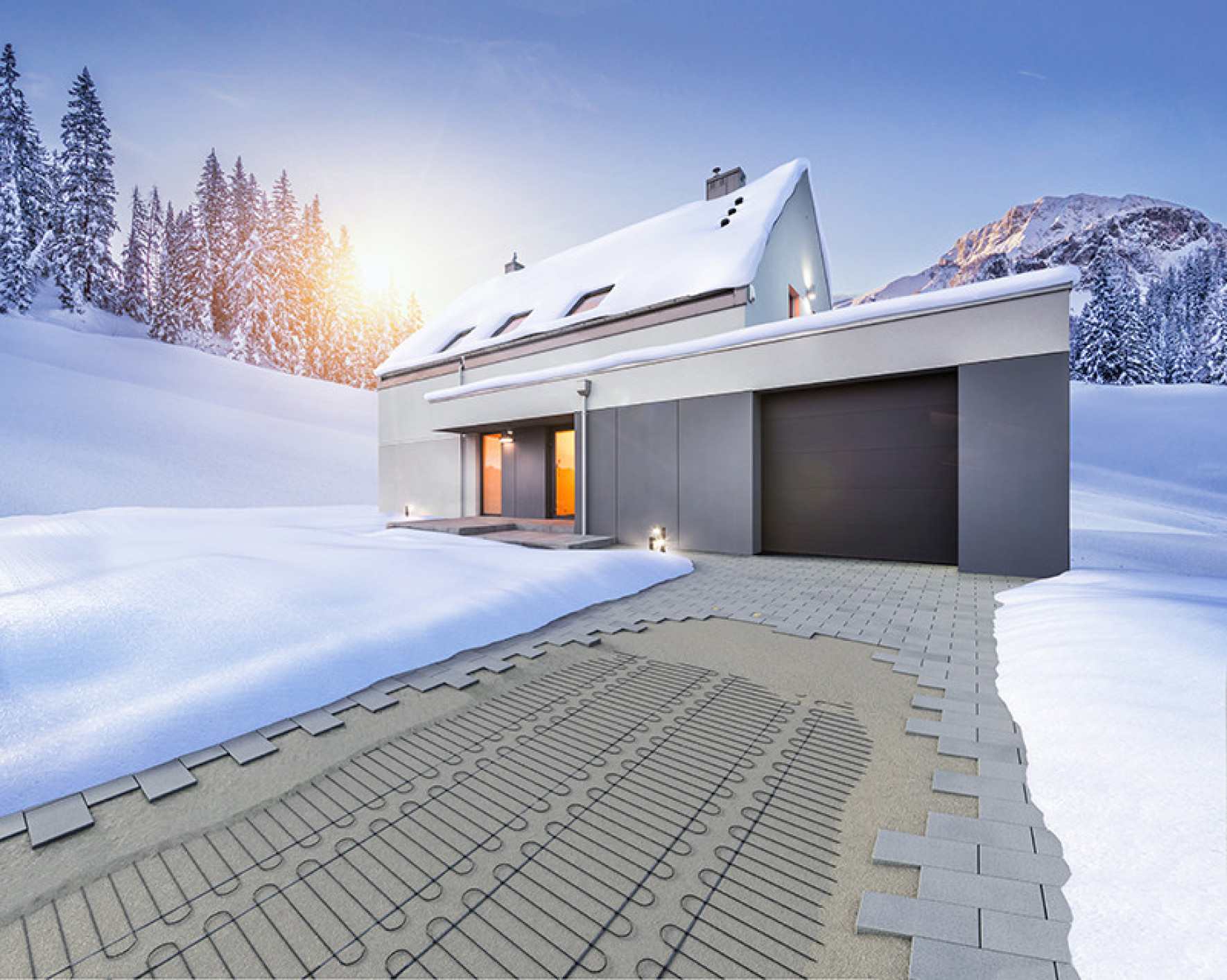
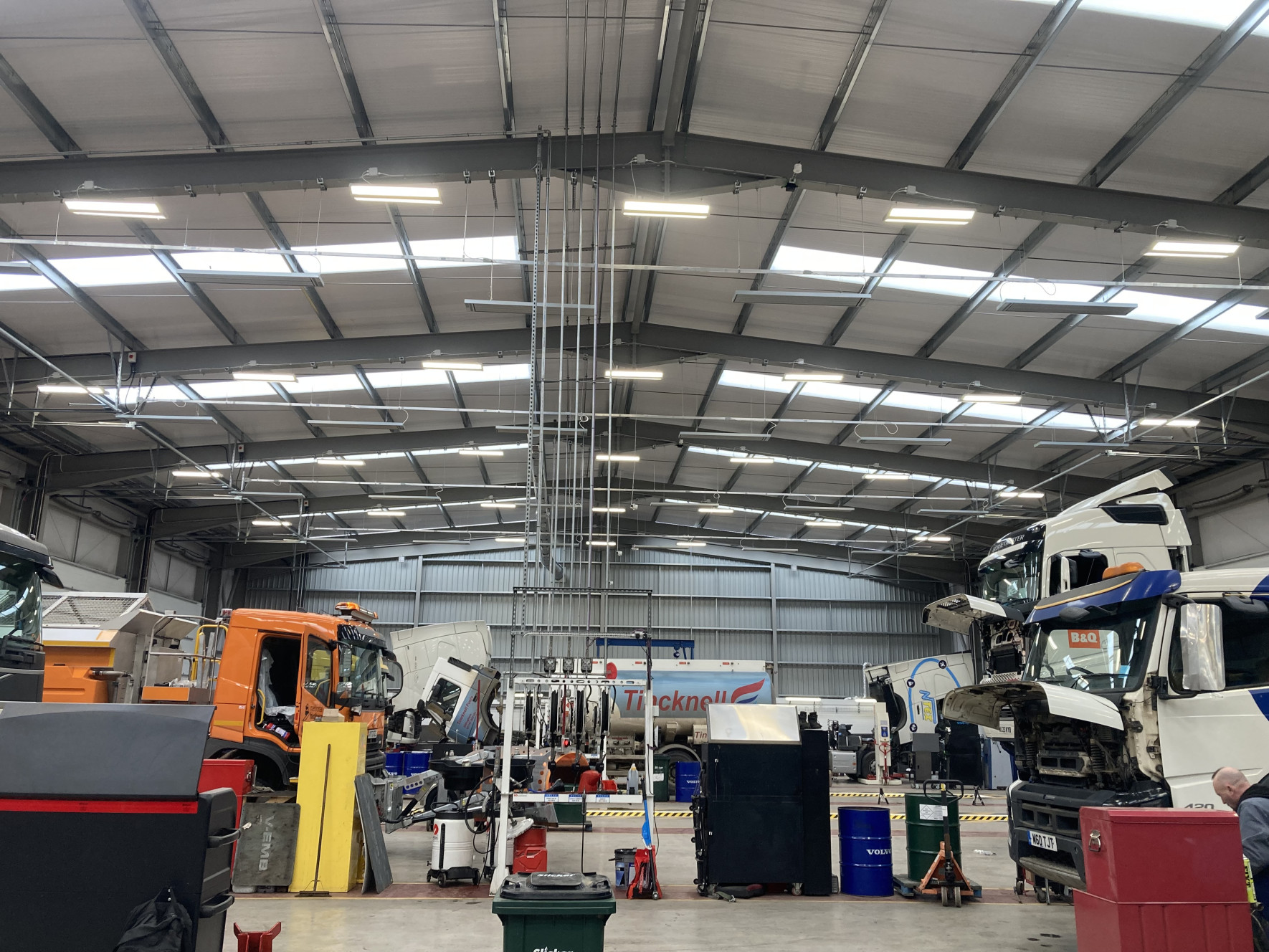
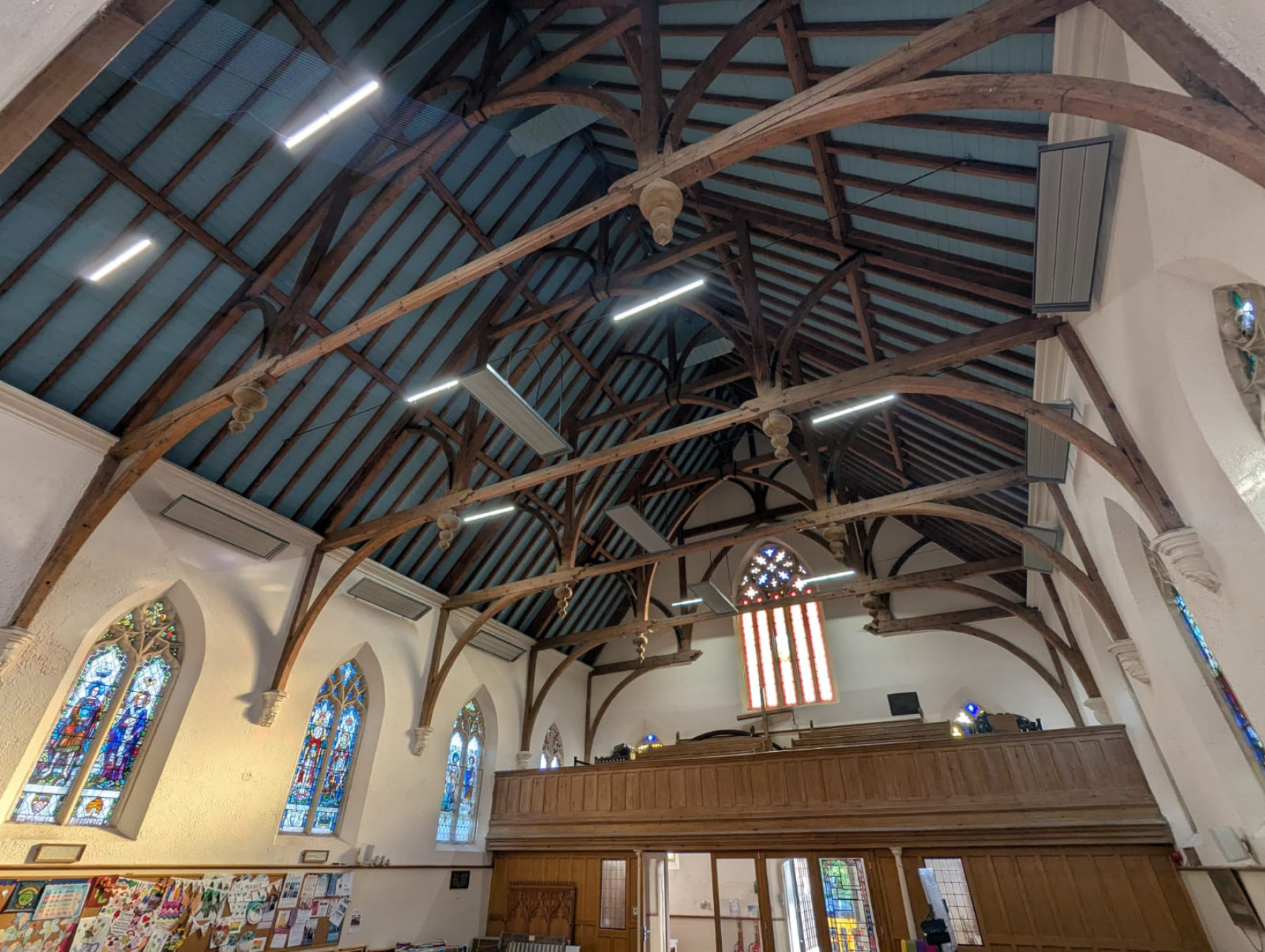
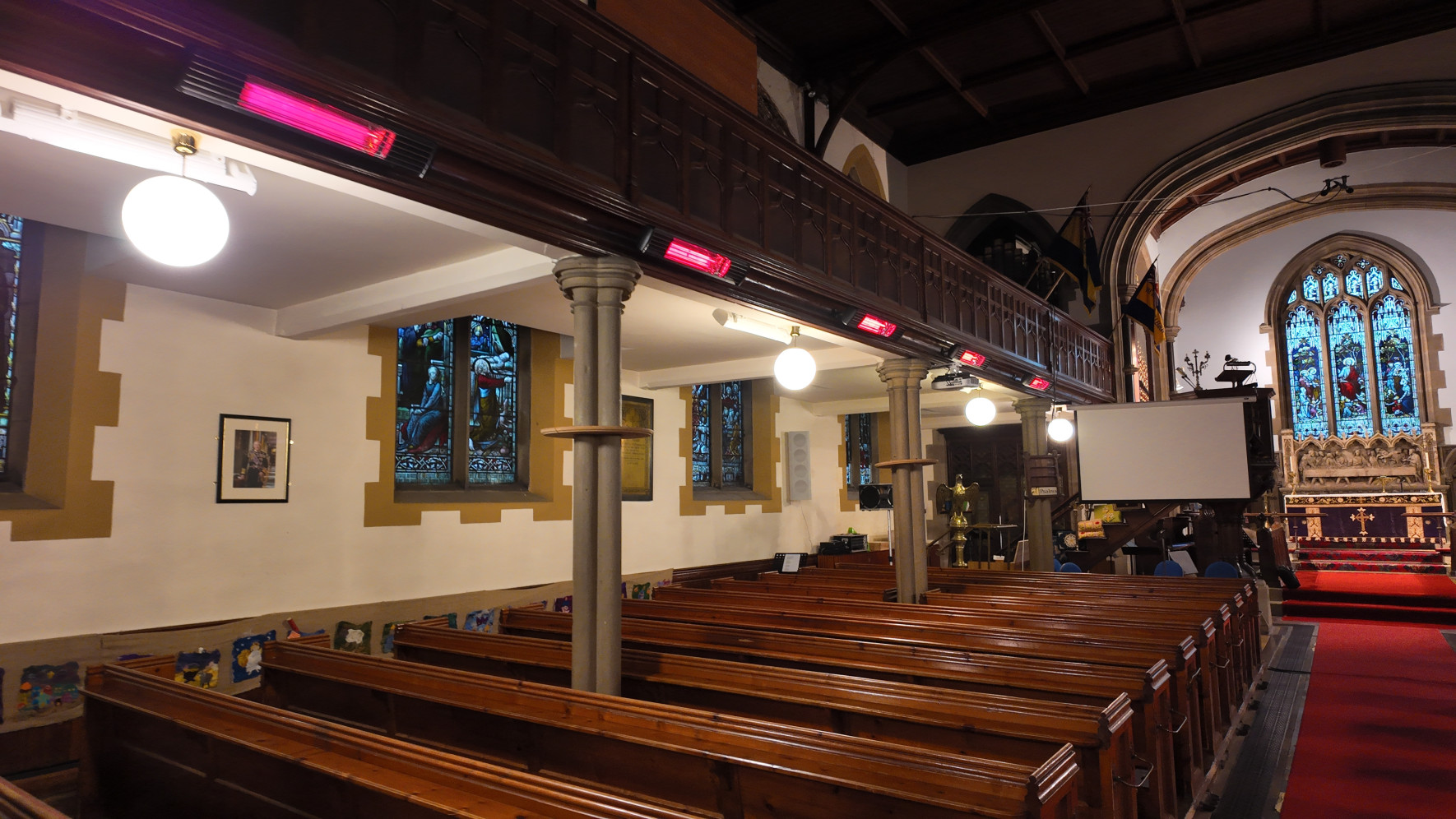
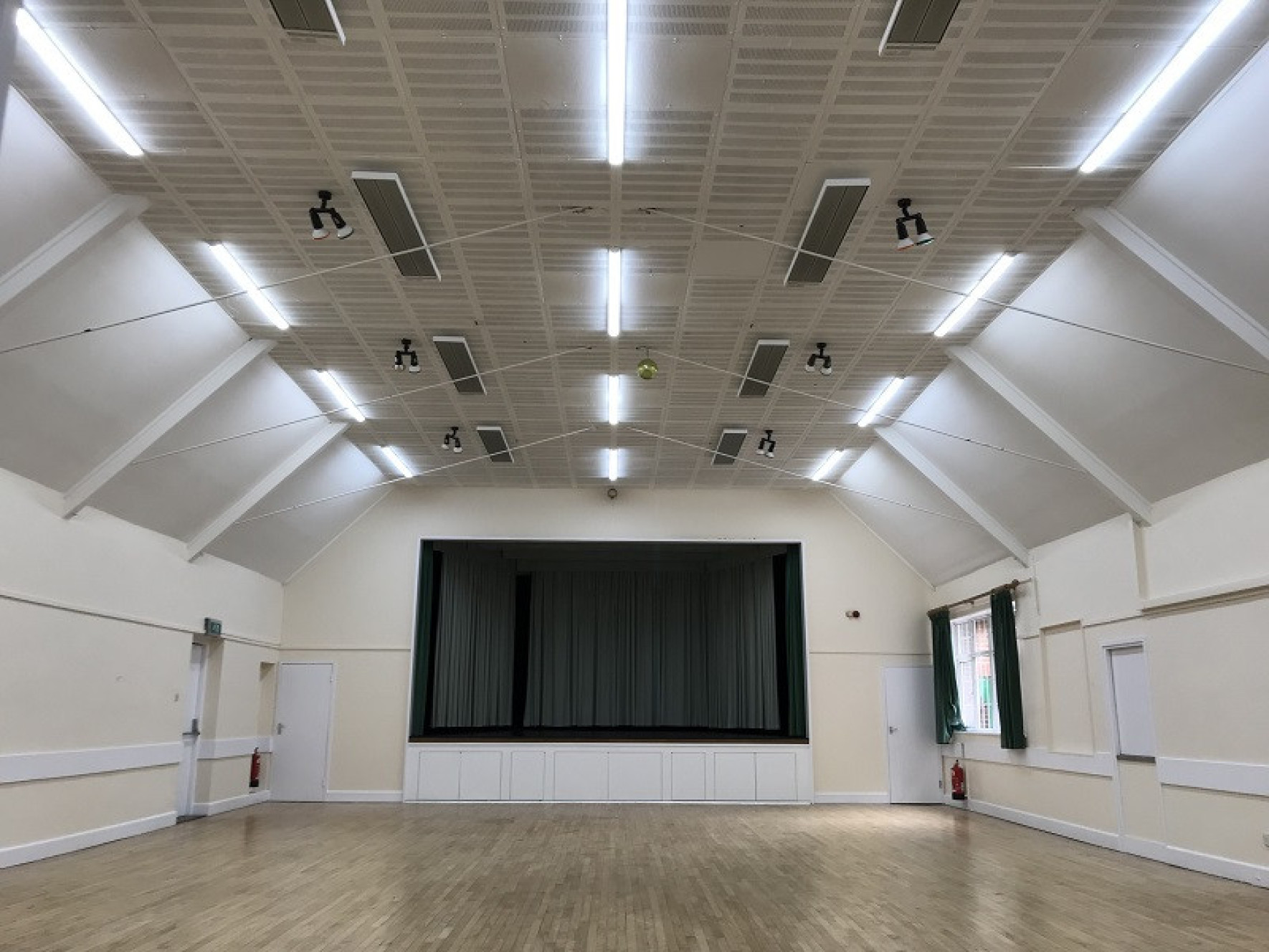
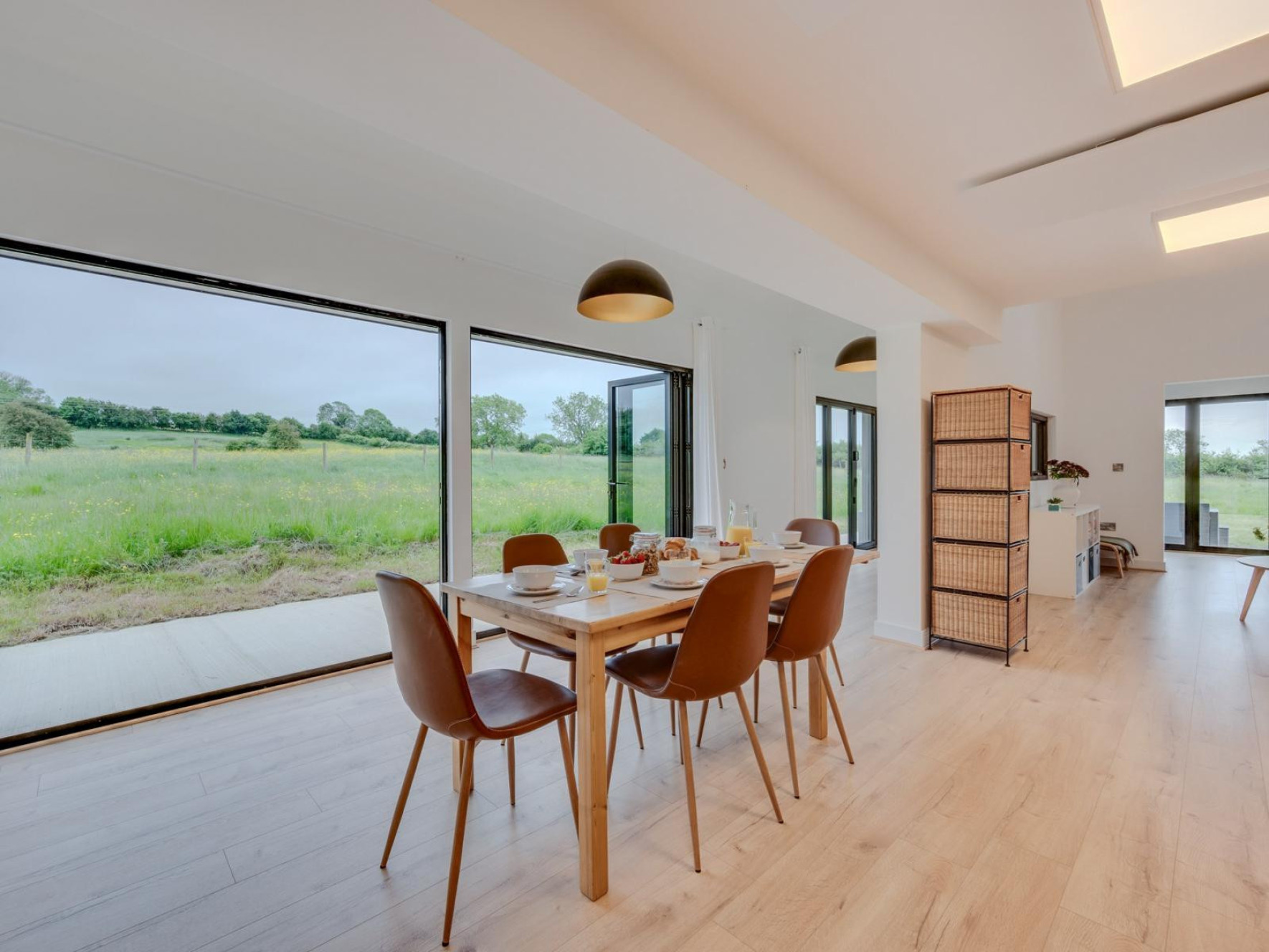
EEZ Medium Wave Infrared Heaters Suspended From Ceiling Coloured LAVA Panels ceiling mounted Ceiling Mounted medium wave infrared heaters in workshop EEZ Medium wave infrared heaters in aircraft hangar Flush mounted LAVA Frame panels in living area Heating a small bathroom can be a challenge when wall space is limited. Discover practical bathroom heating solutions — from electric underfloor heating to mirror heaters and integrated towel rails — and learn how the ETHERMA ZESTO system makes it simple. Electric underfloor heating for frost protection bus and truck station with ambient infrared industrial heating EEZ Medium wave infrared heaters suspended over a packing station in a warehouse Wall and ceiling mounted EEZ infrared heaters in a church Wall mounted EXO heaters in a church Ceiling mounted medium wave infrared heaters in a hall Flush mounted LAVA panels in a suspended ceiling in a breakroom Ceiling mounted lava panels in a living area ceiling mounted LAVA panels in a living area Vigilance heaters wall mounted in church

Infrared heating performs best when the technology, positioning and controls are matched carefully to the environment. This stage ensures the heating system is correctly sized, correctly positioned and suited to the way the building is actually used.

Unlike generic sizing approaches, ARC designs heating systems by analysing the building itself. Ceiling height, insulation levels, room geometry, occupancy patterns and electrical infrastructure all influence how infrared heating should be applied.

Because infrared heating behaves differently from traditional air based systems, careful design is essential. Heater placement, mounting height, zoning strategy and building characteristics all influence how effectively radiant heat is delivered within a space.

ARC’s role during this stage is to translate building information into a practical heating layout that installers can implement with confidence.

Who This Service Is For

ARC’s system design and specification service supports a wide range of projects where infrared heating needs to be applied correctly.

Architects & Building Designers

Architects often require guidance on how infrared heating should be integrated into the building design. ARC can assist with; heater selection, positioning layouts, mounting heights, electrical load planning, heating strategies for complex spaces. This ensures the heating system is incorporated into the building design from the early stages of the project.

Contractors and Installers

Electrical contractors and installers frequently work with ARC to ensure infrared systems are specified correctly before installation begins. ARC provides: detailed heating layouts, product recommendations, wattage calculations, installation guidance. This allows installers to proceed with confidence that the system has been designed appropriately for the space.

Consultants and Specifiers

For consultants working on larger or specialist buildings, ARC can provide technical input during the specification stage including heating strategy guidance, system layouts and integration with other building technologies.

Facilities Managers and Building Owners

Building owners and facilities managers often approach ARC when replacing or upgrading existing heating systems. ARC can review the building and recommend a heating design that improves comfort, controllability and long term reliability.

Infrared Heating Design Principles We Follow

Designing an effective infrared heating system requires more than simply selecting heaters with the correct wattage. Infrared heat behaves differently from conventional convection systems, so heater positioning, coverage and building characteristics all play a role in determining how comfortable the space will feel.

ARC follows several key design principles when specifying infrared heating systems.

Radiant Line of Sight Heating

Infrared heaters transfer energy directly to people, surfaces and objects through radiant heat. Unlike air based heating systems that rely on convection, infrared energy travels in straight lines and warms the surfaces it reaches.

During system design ARC ensures heaters are positioned so radiant energy reaches the occupied zones within the building. Areas outside the radiant path of a heater will receive less heat, so coverage planning is critical.

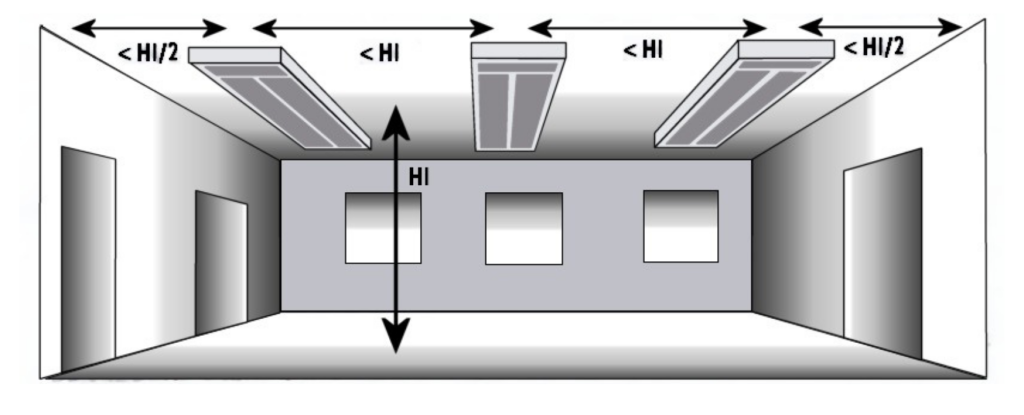
Image illustrating the cubic rule.

The Cubic Rule for Heater Spacing

A commonly used principle when designing infrared heating systems is known as the cubic rule.

Following this rule helps achieve an even spread of radiant heat throughout the space and prevents cold areas forming between heaters.

In practical terms this means:


The spacing between heaters should not exceed the installation height

The distance between heaters and external walls should not exceed half the installation height

Examples of different infrared heater mounting heights.

Matching Heater Type to Mounting Height

Different infrared heaters operate at different surface temperatures and are designed for different mounting heights.

Lower temperature radiant panels are typically suited to residential and office ceiling heights, while higher intensity heaters are designed for larger commercial or industrial environments where mounting heights are significantly greater.

Selecting the correct heater type ensures the radiant energy reaches occupants at the correct intensity.

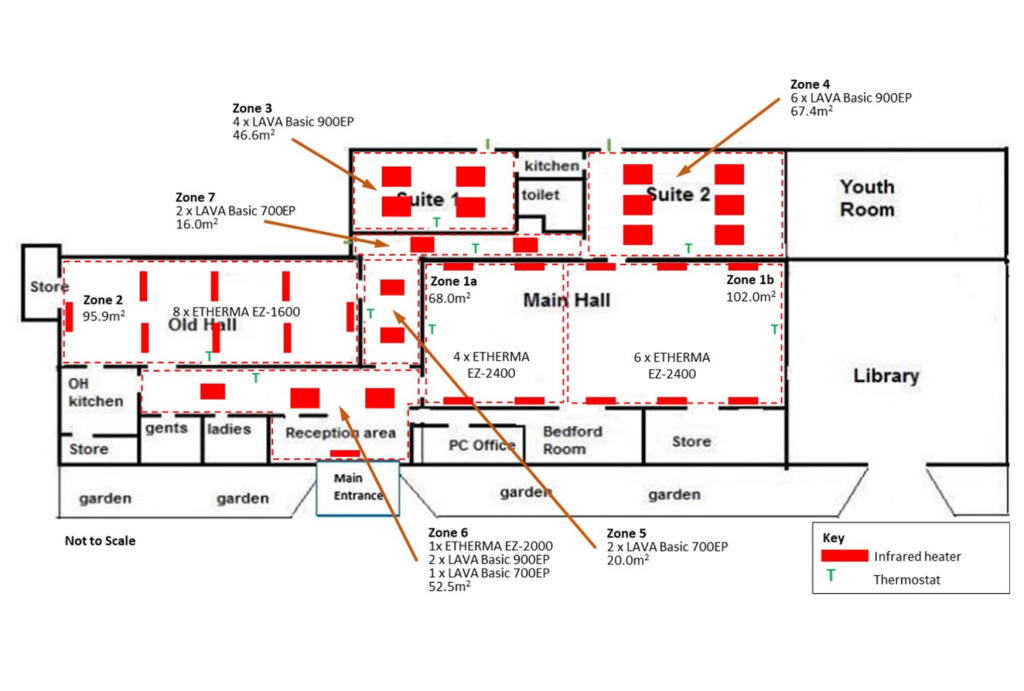
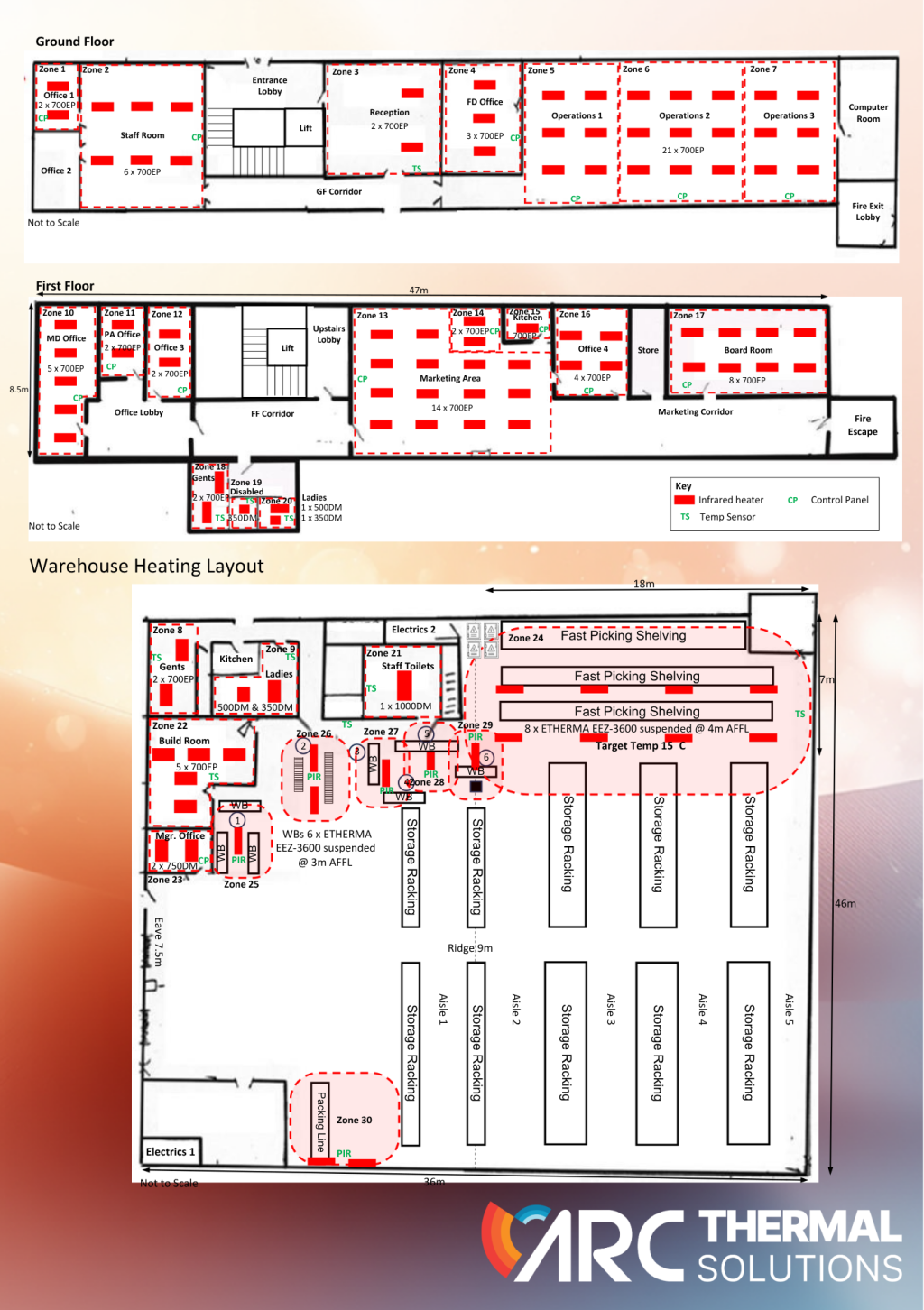
Zoned heating layout example.

Designing for Zoned Heating

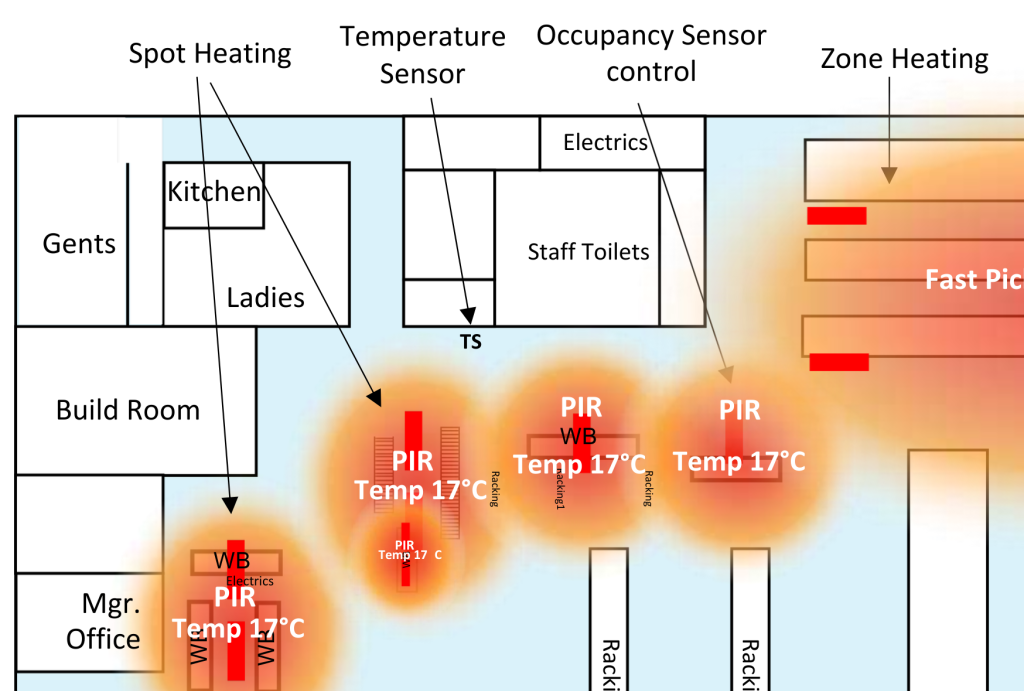
Infrared systems are particularly effective when designed using zoned heating strategies. Instead of heating an entire building continuously, heaters can be positioned to warm only the areas where people are present.

Zoned infrared heating allows energy to be applied precisely where it is required.

This approach is especially effective in buildings such as:


Warehouses

Factories

Workshops

Churches

Village Halls

Using the Building as a Thermal Store

Infrared heating warms walls, floors and objects within the space. These surfaces absorb radiant energy and slowly re emit it as background warmth, helping stabilise the temperature within the room. This is one of the reasons infrared systems can maintain comfort even when air temperatures are slightly lower than conventional heating systems.

Estimating Heat Requirements

The first stage of any heating design is estimating the heat demand of the building.

Where detailed heat loss calculations are available these can be used directly. In many projects however, early stage system design uses recognised heat requirement ranges based on insulation levels and temperature rise.

Typical Guidance Values Include:

Building Insulation Level Typical Heat Demand
Very well insulated 20–60 W/m²
Well insulated 40–120 W/m²
Moderately insulated 70–210 W/m²
Poor insulation 100–300 W/m²
Uninsulated structures 150–450 W/m²

These values are multiplied by floor area to estimate the total heating output required for the building. This provides a reliable starting point for system layout before more detailed calculations are completed.

Room by Room Heating Design

Once the overall heating requirement is understood, the design process moves to a room by room assessment. From this information the appropriate heater output and number of units can be determined.

In many cases multiple smaller heaters provide more even radiant coverage than a single large heater, particularly in rooms with irregular shapes or complex layouts.

Factors considered include:


Floor Area

Insulation Performance

Number of external walls

Glazing Levels

Ceiling Height

Room Function

Diagram of zoned heating in a warehouse.

Heater Positioning and Coverage

Because infrared heat travels in straight lines, heater placement is extremely important.

During the design stage ARC evaluates:


Mounting Height

Heater Spacing

Beam Coverage

Structure Obstructions

Occupied Zones

Electrical Capacity and System Load

Infrared heating systems operate electrically, so the electrical infrastructure of the building must be assessed during the specification stage.

Typical considerations include:

Available Electrical Capacity

Distribution Board Configuration

Single Phase or Three Phase Supply

Circuit Allocation

Assessing these factors early ensures the heating system can be installed safely and avoids unexpected electrical upgrades later in the project.

Controls and Zoning Strategy

Controls play an important role in how effectively an infrared heating system operates. Depending on the building, ARC may recommend; programmable thermostats, occupancy sensors, zoned heating controls or building. These strategies ensure heating is delivered only where and when it is required.

Common Infrared Heating Design Mistakes

Infrared heating systems that fail to deliver the expected comfort often do so because of avoidable design mistakes.

Undersizing the Heating System

Selecting heaters without properly considering insulation levels, ceiling height or heat loss can lead to systems that struggle during colder weather. ARC avoids this by analysing building characteristics before selecting heater outputs.

Incorrect Heater Positioning

Heaters positioned too far apart, mounted at unsuitable heights or obstructed by furniture can create uneven heating. ARC designs layouts that ensure consistent radiant coverage.

Using One Large Heater Instead of Multiple Smaller Units

Although a single large heater may provide sufficient wattage, it can result in uneven heat distribution. In many spaces multiple smaller heaters provide better comfort and coverage.

Treating Infrared Like a Convection System

Infrared heating should not be designed using the same assumptions as air based heating systems. Radiant coverage and heater positioning are far more important than air circulation.

What Information We Need to Design Your Heating System

To produce a reliable heating specification ARC needs a clear understanding of the building and how the space will be used.

Providing this information allows ARC to develop a heating specification that reflects the real conditions of the building.

Floor plans or architectural drawings

Room dimensions and ceiling heights

Insulation and construction details

Electrical supply information

Photos or videos of the building

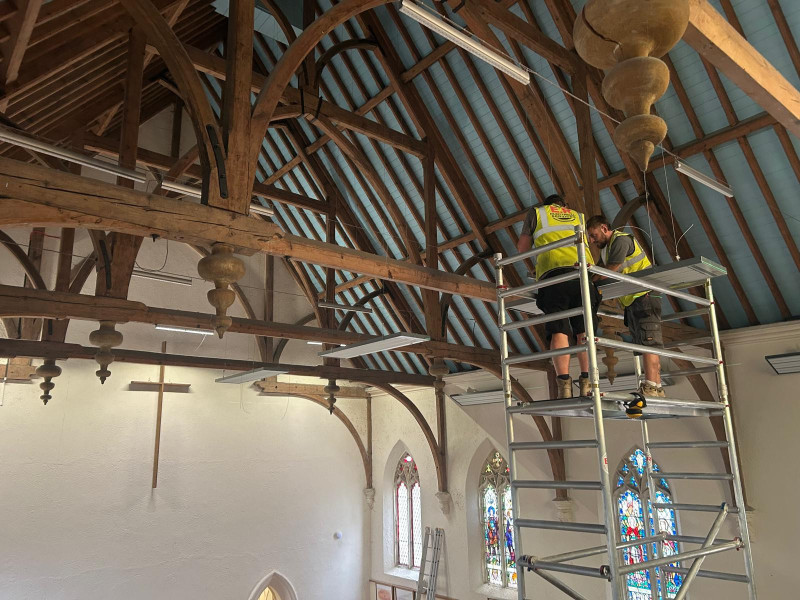
ARC Installer partners installing suspended EEZ medium wave infrared heaters in a church

From Design to Installation

Once the heating specification has been completed the project can move forward to installation. Some clients install the system using their own contractors, while others prefer ARC to coordinate installation through trusted installer partners.

Specification Support for Architects and Consultants

Infrared heating is often unfamiliar within conventional mechanical design specifications, particularly when compared with traditional boiler or heat pump systems. As a result, architects and consultants frequently require additional technical support when incorporating infrared heating into building designs.

ARC regularly works alongside architects, consultants and project engineers to ensure infrared systems are specified correctly and integrated into the wider building services strategy.

By working collaboratively during the specification stage, potential design issues can be resolved early and the heating system can be incorporated smoothly into the overall building design.

Architects and consultants often involve ARC during the early design phase so that heating layouts can be considered alongside lighting, structure and other services.

Support may include:


Assisting with heater selection and system layouts

Advising on appropriate mounting heights and coverage

Reviewing heating strategies for complex or large volume spaces

Supporting electrical load planning and control strategies

Coordinating with other technologies such as solar PV where appropriate

Start Your Heating Design

If you are planning a heating project and would like ARC to review your building and develop a heating specification, the best place to begin is by sharing the information described above.